

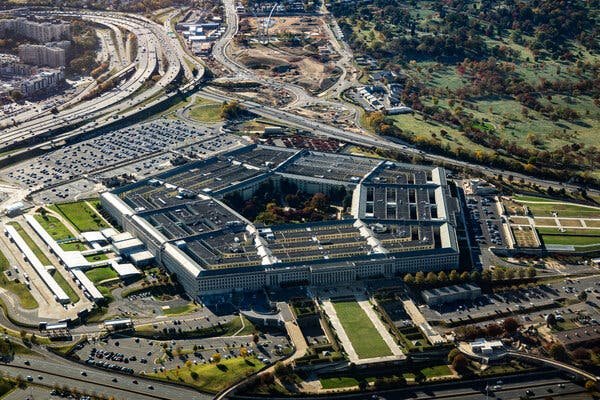
In a late Friday court filing, the Pentagon upholds the restrictions it placed on media organizations last October, describing them as a balanced approach to protect national security while allowing press access. The document responds to a December lawsuit challenging the policy.
Details of the Policy
The policy aims to safeguard the Pentagon and prevent actions that might endanger national security, according to the filing. It establishes clear guidelines for journalist conduct on the premises. Reporters must now sign a comprehensive 21-page agreement that limits certain reporting practices, such as seeking story tips or contacting Pentagon personnel directly. Failure to adhere to these rules can result in the revocation of press credentials.
This new framework replaces a simpler set of prior regulations, introducing stricter oversight on media operations within the building.
Legal Challenges Raised
The December lawsuit asserts that the restrictions infringe on First Amendment protections by hindering journalists’ fundamental rights to pose questions to government staff and collect information for stories that extend beyond official statements. It further claims a violation of Fifth Amendment due process rights, arguing that the policy gives the department broad authority to strip press passes, even during legitimate news-gathering efforts.
For many years, credentialed journalists enjoyed freedom to navigate the Pentagon’s corridors and utilize dedicated workspaces. However, following his confirmation, Defense Secretary Pete Hegseth reversed several media accommodations. He relocated workspaces for several prominent news outlets and limited unescorted access to certain areas.
Impact on Journalists
By October, the Pentagon had formalized criteria for suspending press passes. Numerous reporters declined to sign the agreement and voluntarily relinquished their credentials, yet they persist in covering military affairs from alternative locations. In response, the Defense Department has welcomed a refreshed group of press representatives, including commentators and influencers supportive of President Trump.
