

Mysterious Grave Draws Visitors to Isolated Lancashire Village
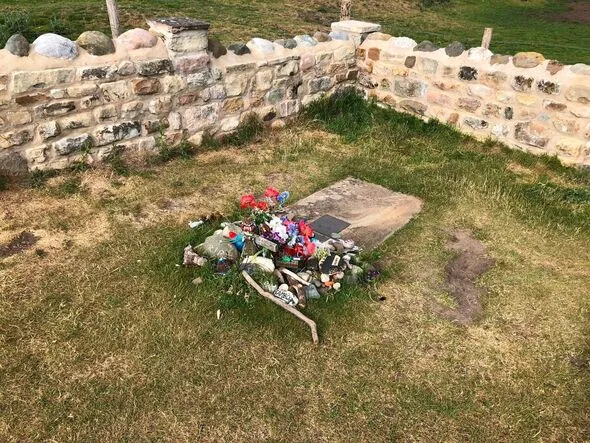
A poignant grave at Sunderland Point continues to captivate visitors who leave flowers at the resting place of a boy known as Sambo. This quaint village in Lancashire becomes cut off from the mainland at high tide, accessible only by a narrow road through the marshes during low tide. The isolation lasts several hours daily. In the past, ships docked here to trade goods from North America, serving as a stop in the transatlantic slave trade. Historical records suggest this route brought Sambo to England.
Lancashire’s Ties to the Slave Trade
Lancashire’s past links closely to slavery. Lancaster hosted a Black community in the 18th century. While the first slaving voyage from Lancaster launched in 1745, trade with North America began in the 1670s. Lancaster ranked as the fourth-largest slave trading port in Britain, though its volume trailed London, Bristol, and Liverpool.
The Tragic Story of Sambo
Accounts describe Sambo as a young boy from Africa, enslaved and brought to Sunderland Point by his master. He fell ill soon after arrival and passed away. Deemed unfit for burial in consecrated ground, his grave lies isolated by the sea, away from other burials.
The Epitaph and Memorial
For years, the site remained unmarked until a retired schoolmaster learned the story, raised funds for a memorial, and composed the epitaph now inscribed there:
‘Full many a Sand-bird chirps upon the Sod. And many a moonlight Elfin round him trips. Full many a Summer’s Sunbeam warms the Clod. And many a teeming cloud upon him drips. But still he sleeps — till the awakening Sounds. Of the Archangel’s Trump now life impart. Then the GREAT JUDGE his approbation founds. Not on man’s COLOUR but his worth of heart.’
Historical accounts trace the earliest printed reference to Sambo in an 1822 magazine by an author identified as ‘JT’, noting a brass plaque. The epitaph dates to 1796, penned by Reverend James Watson. Records show discussions in 1794 or 1795 between Watson, former headmaster of Lancaster Grammar School who summered in Sunderland, and George Jackson, landlord of the local Ship Inn.
Protecting the Site Today
In 2018, authorities built new sea defenses after assessing high flood risk, preserving this hallowed ground. Visitors now enjoy a bird hide, seating areas, and the Horizon Line Chamber, an artistic camera obscura installation. Fresh flowers regularly adorn the grave.
Finding Sambo’s Grave
From Sunderland Point, follow the inland path toward the western shore. The signposted route passes houses and a small church, narrowing into a hedgerow-lined pathway. Pass a metal-barred gate, turn left, and walk about 200 yards along the shoreline to the walled enclosure. For a longer stroll, head right along the eastern shore past charming cottages. A Kapok tree, likely from West Indies imports, grew nearby for nearly two centuries until a 1998 storm felled it.
