

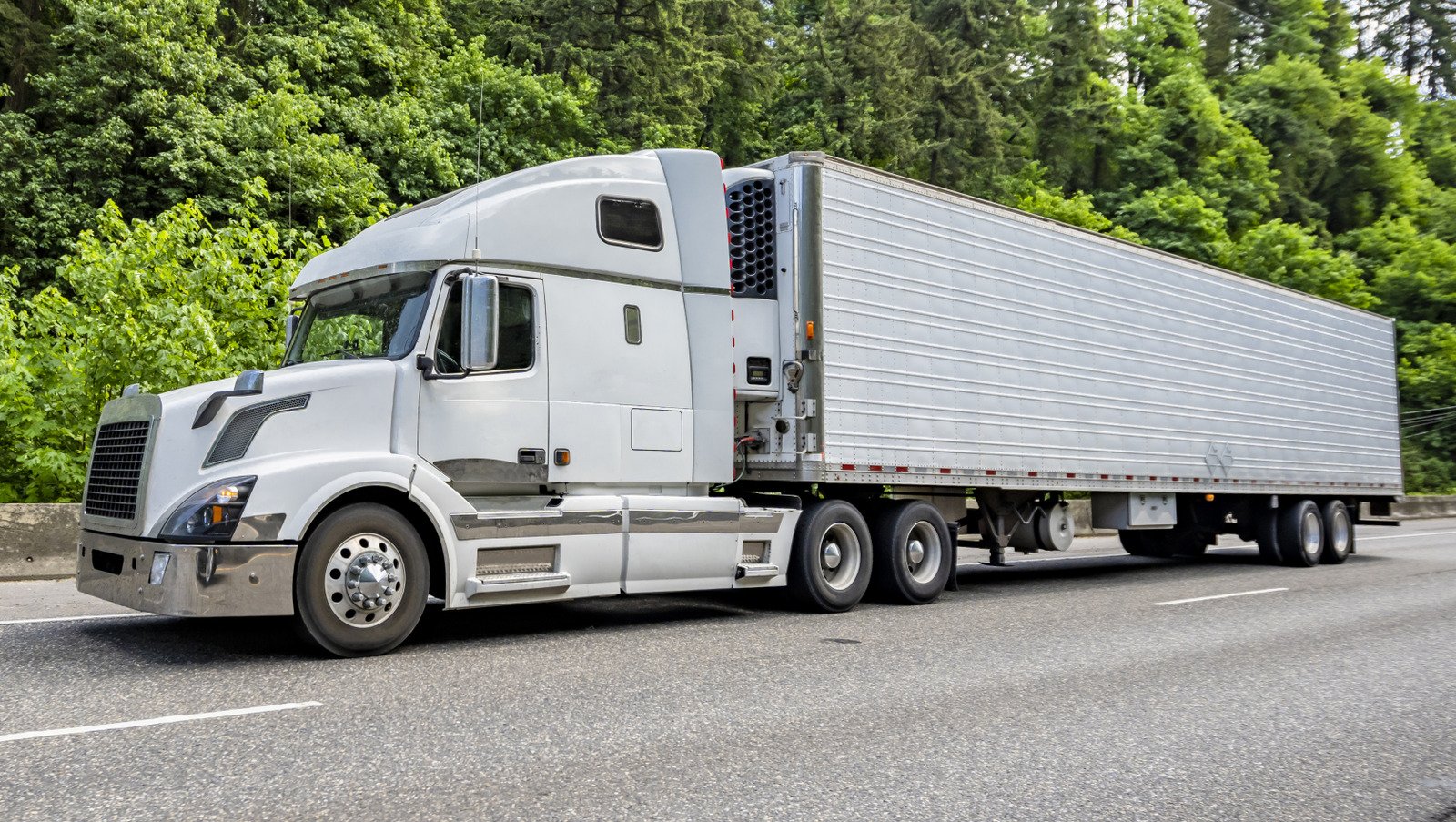
Semi trucks represent some of the most powerful vehicles on the road, equipped with robust diesel engines and built to transport heavy cargo over long distances. These rigs, often called tractors, can pull multiple trailers simultaneously. Yet, a key question arises: what is the maximum load these vehicles can handle?
Physical Towing Capabilities
Physically, semi trucks demonstrate impressive strength. For instance, a Volvo FH16 model towed more than 750 tons over a short distance in 2016. The record for the heaviest load transported on public roads stands at over 4,800 tons. These feats highlight the engineering potential, though real-world operations adhere to strict regulations for safety.
Legal Weight Limits in the United States
Classified as class 8 commercial vehicles, semi trucks face limits based on the Gross Vehicle Weight Rating (GVWR), which includes the truck, trailer, passengers, and cargo. On interstates, federal law caps the GVWR at 80,000 pounds, regardless of a vehicle’s design capacity. This ensures safer travel by preventing excessive strain on infrastructure.
A typical diesel tractor weighs up to 25,000 pounds, while an empty 53-foot trailer adds about 10,000 pounds. Combined, these components total 35,000 pounds, leaving room for up to 45,000 pounds of cargo to stay within the limit. Operators often maximize this capacity to optimize efficiency and reduce the number of trips required.
International and Alternative Fuel Variations
Europe imposes higher towing weight regulations compared to the U.S., allowing for greater loads under controlled conditions. In the U.S., exceptions apply to certain technologies. Electric models like the Tesla Semi carry a higher base weight than diesel counterparts, reducing available cargo space but offering environmental benefits that some logistics firms prioritize.
Hydrogen-powered trucks, such as those deployed by Toyota at the Port of Long Beach in California, match diesel weights with minimal penalties. California further permits an 82,000-pound GVWR on interstates for green powertrains, promoting sustainable options.
State-Specific Rules and Enforcement
While federal rules govern interstates, states set their own limits for other highways. Michigan, for example, allows up to 164,000 pounds via a grandfather clause, but requires 11 axles to distribute the load evenly and minimize road damage. Such heavy permissions contribute to maintenance challenges, as evidenced by the state’s road conditions.
The U.S. Department of Transportation’s Federal Highway Administration monitors these variations. Enforcement occurs through weigh stations along highways, where officials verify compliance. These measures protect drivers and preserve roadways across the nation’s highways and byways.
