

Recent terror incidents in the United States highlight rising concerns over domestic violence linked to international conflicts. Military operations against Iran and Hezbollah, which began on February 28, have coincided with attacks on American soil, including strikes last Thursday at a Virginia college and a Michigan synagogue. Both assailants were naturalized citizens from Muslim-majority countries with documented or suspected connections to terrorist groups.
Attack at Old Dominion University
Mohamed Bailor Jalloh, originally from Sierra Leone, entered an ROTC class at Old Dominion University in Virginia. He shouted “Allahu Akbar,” fatally shot the instructor, Lt. Col. Brandon Shah, and wounded two others. Cadets subdued and fatally stabbed Jalloh before he could continue firing.
Lt. Col. Shah, chair of the military science department, was a decorated veteran with multiple deployments in the Middle East, including Iraq as a helicopter pilot. FBI Director Kash Patel commended the cadets, stating their actions “undoubtedly saved lives.” Jalloh had previously served seven years in federal prison for proven ties to Islamic State terrorists and plotting an attack on a U.S. military base.
Synagogue Assault in Michigan
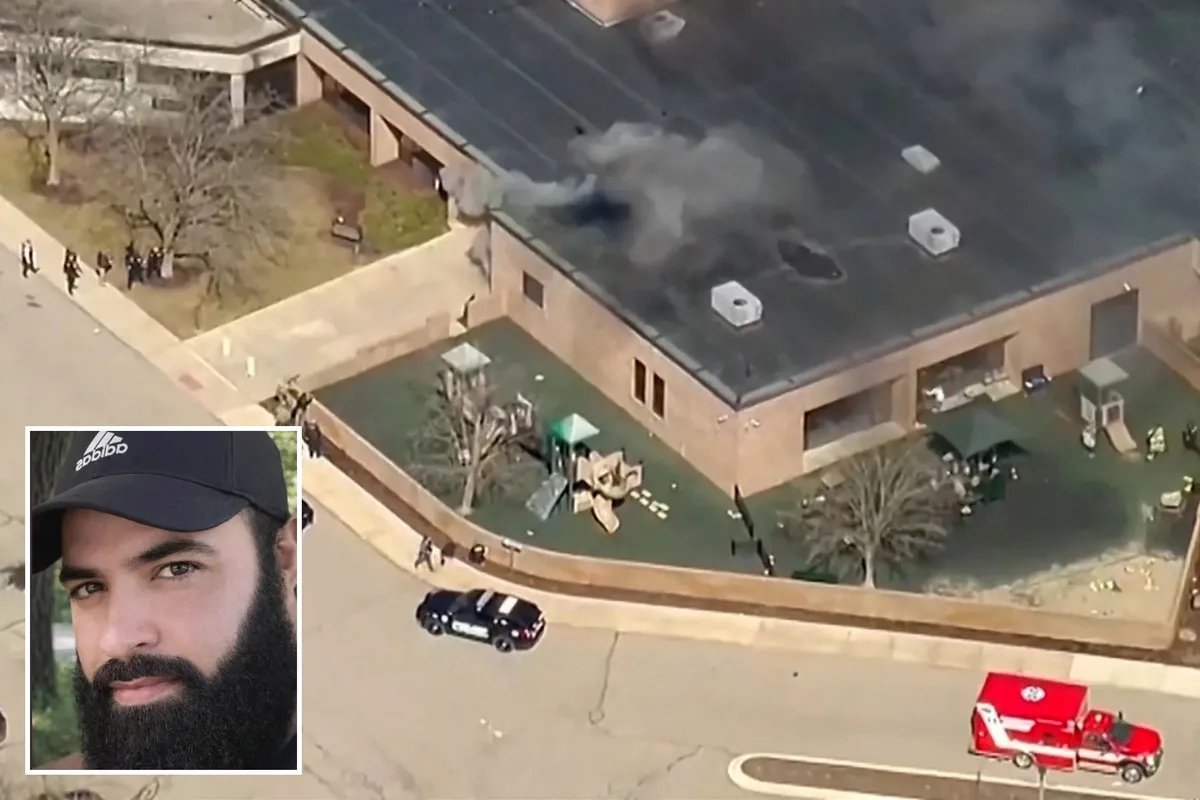
Ayman Mohamed Ghazali, a Lebanese native living 40 miles from Temple Israel synagogue, rammed his pickup truck into the building’s entrance. The vehicle contained commercial-grade fireworks and gasoline cans, indicating plans for a larger explosion. After exchanging gunfire with security guards, Ghazali shot himself. His truck caught fire, filling the building with smoke, but no injuries occurred among the 106 children and 30 staff at the on-site early childhood center. One guard, struck by the truck, expects a full recovery.
Federal authorities had monitored Ghazali since at least 2019 for potential Hezbollah links, a group backed by Iran. Officials questioned him upon his return from abroad that year.
Variations in Reporting on Ghazali’s Background
Some coverage emphasizes Ghazali’s family losses in a Lebanese airstrike last week, citing a Detroit-area imam who reported four relatives killed and an anonymous Lebanese official fearing reprisals. A local official described two brothers, a niece, and a nephew dying during a Ramadan meal.
Other reports reveal contrasting details. Investigations indicate Ghazali’s brothers were Hezbollah members in a rocket unit, killed in an Israeli Defense Forces strike. Federal concerns about his Hezbollah connections persisted, though membership was unconfirmed.
Prior Incidents Raise Alerts
These events follow the March 1 shooting in Austin, Texas, where Ndiaga Diagne, a naturalized citizen from Senegal, fired from his car on a busy street, killing three and injuring 13. Police killed Diagne, who wore a hoodie reading “Property of Allah,” with a Quran and an Iranian flag T-shirt found in his vehicle.
Earlier, two Pennsylvania teens, Emir Balat, 18, and Ibrahim Kayumi, 19, attempted to hurl homemade explosive devices at an anti-Islam march near Gracie Mansion in New York City. Inspired by ISIS, they confessed to police, with one aiming for casualties exceeding the Boston Marathon bombing.
Authorities urge heightened vigilance against self-radicalized individuals and potential sleeper cells amid escalating global tensions.
