

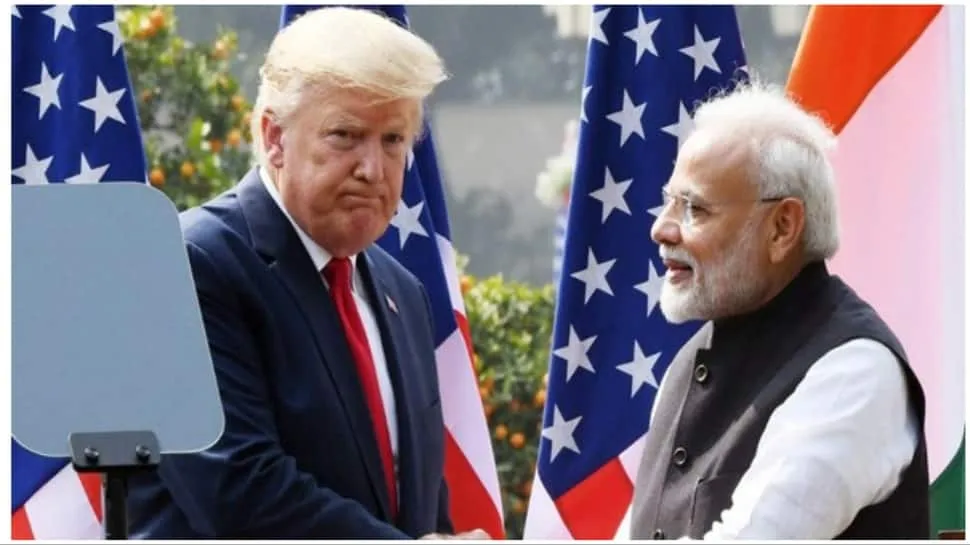
The United States and India announce a new framework for an interim trade agreement, emphasizing reciprocal benefits and paving the way for broader bilateral trade negotiations launched by President Donald Trump and Prime Minister Narendra Modi in February 2025.
Tariff Reductions and Reciprocity
India commits to eliminating or lowering tariffs on all U.S. industrial goods and various American food and agricultural products. These include dried distillers’ grains, red sorghum for animal feed, tree nuts, fresh and processed fruits, soybean oil, wine, and spirits.
In response, the U.S. imposes an 18% reciprocal tariff on select Indian goods under relevant executive orders. Affected sectors encompass textiles and apparel, leather and footwear, plastics and rubber, organic chemicals, home decor, artisanal products, and specific machinery.
Upon successful finalization of the interim deal, the U.S. plans to lift these tariffs on numerous Indian exports, such as generic pharmaceuticals, gems and diamonds, and aircraft parts. The framework also eliminates U.S. tariffs on certain Indian aircraft and components previously targeted under national security measures on aluminum, steel, and copper.
India gains a preferential tariff rate quota for automotive parts, aligned with U.S. national security standards. Negotiated terms for generic pharmaceuticals and ingredients may emerge from ongoing U.S. Section 232 investigations.
Preferential Market Access and Rules
Both nations pledge sustained preferential market access in key sectors, backed by rules of origin to prioritize benefits for their economies. They address non-tariff barriers impacting trade, with India resolving issues in U.S. medical devices, information and communication technology products, and food and agricultural goods.
India agrees to review acceptance of U.S.-developed or international standards in designated sectors within six months of implementation. Cooperation extends to standards and conformity assessments to streamline compliance and adapt to tariff changes.
Future Commitments and Collaboration
India outlines plans to acquire $500 billion in U.S. products over the next five years, targeting energy, aircraft and components, precious metals, technology products, and coking coal. The partners aim to expand trade in technology, including graphics processing units for data centers, and enhance joint tech initiatives.
The framework strengthens economic security through supply chain resilience, investment reviews, export controls, and countermeasures against non-market practices. It tackles digital trade barriers and sets a roadmap for comprehensive digital trade rules in the full bilateral agreement.
Implementation of the framework begins soon, with efforts focused on concluding the interim agreement and advancing toward a comprehensive bilateral trade pact.
