

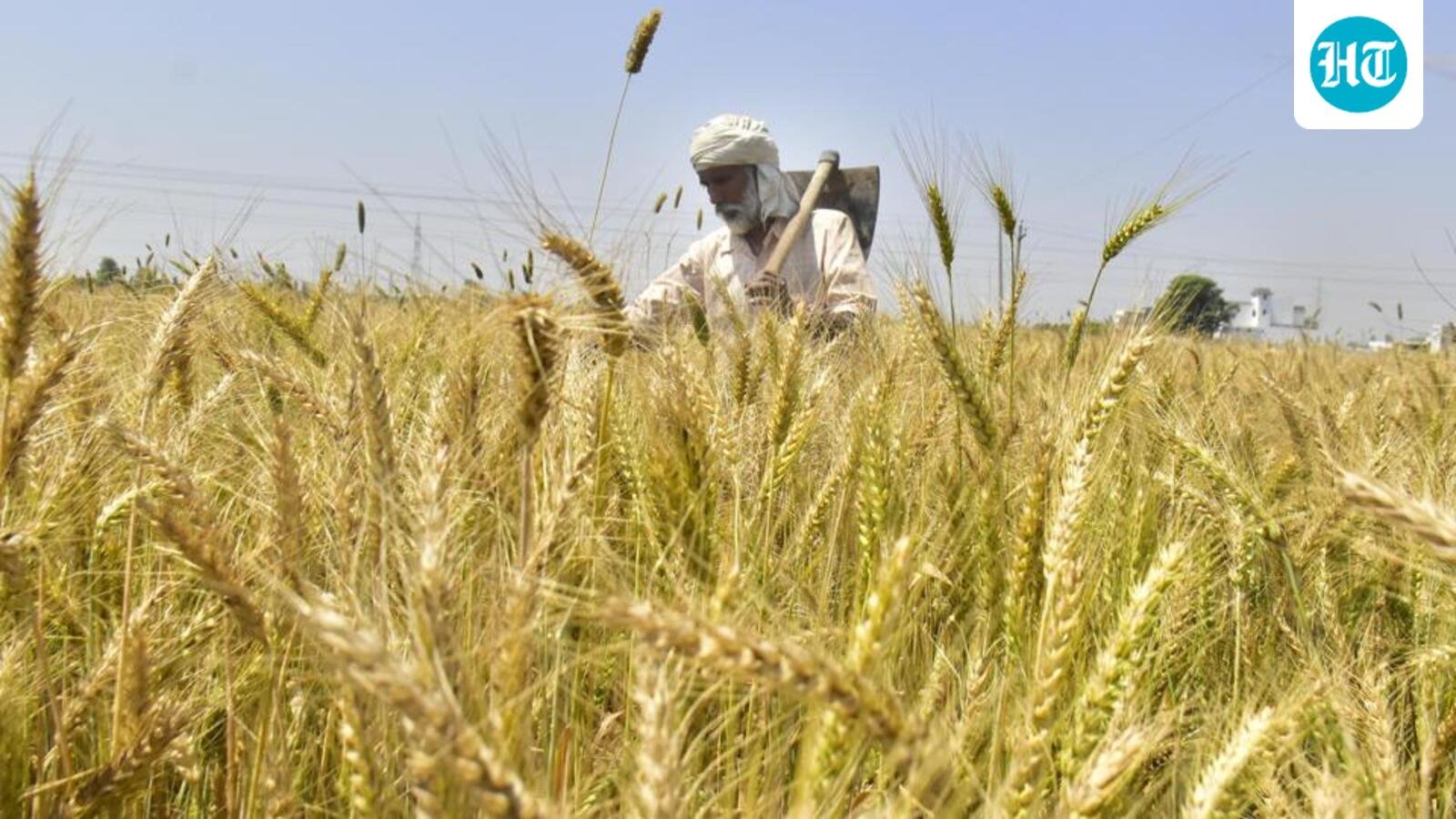
The India Meteorological Department (IMD) forecasts a warm and dry February, with above-normal temperatures expected to speed up the growth of Rabi crops and reduce their maturation period, especially in northwest and central India.
Weather Patterns and Temperature Outlook
Fewer and weaker western disturbances (WDs) will lead to higher-than-average daytime and nighttime temperatures, alongside below-normal rainfall across much of northwest India. Minimum temperatures are projected to exceed normal levels in most areas, except parts of southern peninsular India, while maximum temperatures will rise above average nationwide, excluding isolated spots in central and southern regions. Cold wave occurrences will remain below normal in northwest and adjacent central areas.
Monthly rainfall in February over northwest India—including states like Punjab, Haryana, Uttar Pradesh, Uttarakhand, Himachal Pradesh, Jammu and Kashmir, and Ladakh—is likely to fall short of the long-period average of 65.0 mm from 1971-2020, with totals below 78% of normal.
Agricultural Risks from Elevated Temperatures
This weather pattern signals a brief spring season. Recent western disturbances have been mild, with two more anticipated around February 2 and 6, but they will lack intensity. March conditions remain crucial for Rabi crops like wheat, where elevated heat could compromise both yield and quality.
Crops such as wheat and barley face risks of forced maturity, producing sterile spikelets and lower yields. Oilseeds and pulses, including mustard, chickpea, lentil, and field peas, may flower early and mature prematurely. Warmer weather could boost pest populations, like aphids, and trigger issues in vegetables: bolting in onion and garlic, reduced tuber growth in potatoes, and flower drop in tomatoes. Temperate fruits such as apples, pears, and peaches might see insufficient chilling hours, causing uneven flowering.
Expert Analysis and Winter Context
M Mohapatra, director general of the IMD, noted that specific advisories have been issued for Rabi crops. “Day temperatures are expected to rise due to fewer and less intense western disturbances. Night temperatures may also climb, possibly from cloudy skies linked to mild disturbances. These systems are unlikely to affect the Eastern Himalayas, so those regions could face a warm February as well,” Mohapatra stated.
This forecast comes after an exceptionally dry winter, marked by scant snowfall in the Western Himalayas. Northwest India recorded an 84.8% rainfall deficit in December and 84% in early January, though overall January deficits eased to 12.1% regionally and 31.5% nationally. Snowfall durations were unusually short this season.
Mohapatra highlighted a long-term decline in winter rainfall and snowfall over the western Himalayan region—encompassing Jammu and Kashmir, Himachal Pradesh, and Uttarakhand—attributed by studies to climate change impacts.
Mahesh Palawat, vice president of climate and meteorology at Skymet Weather, added, “This points to a short spring. A recent western disturbance passed through, followed by two more expected soon, but they won’t be strong. March temperatures are vital for wheat; otherwise, both yield and quality suffer.”
Climate Influences and Future Projections
The National Oceanic and Atmospheric Administration’s El Niño Southern Oscillation bulletin indicates a 75% likelihood of transitioning to ENSO-neutral conditions from February to March. However, there’s a 48% chance of El Niño developing in the latter half of the monsoon season. El Niño events typically bring weaker monsoons and intense summers to India, potentially exacerbating heat records amid ongoing climate change.
