

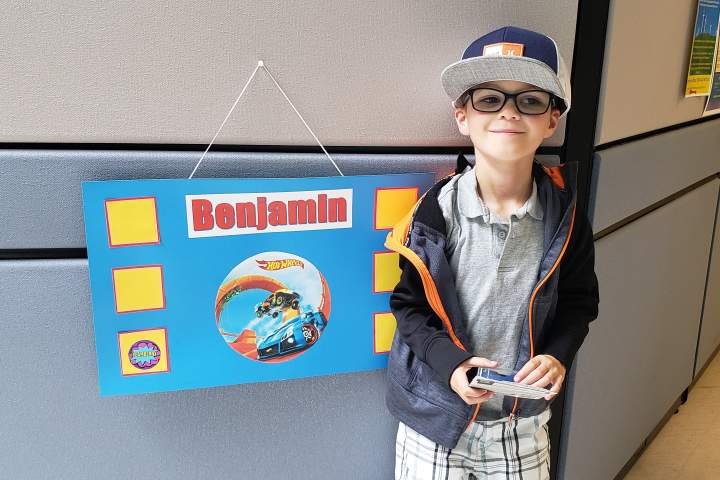
The Stollery Children’s Hospital stands as a global leader in pediatric pain management, earning recognition from ChildKind International for its comprehensive approach to treating, assessing, and addressing pain in young patients. For families like that of Ben Thomas, this certification provides reassurance that their child’s discomfort receives the utmost attention.
“It’s been, as sad as it is to say, like a second home for us,” said Erica Thomas, Ben’s mother. “They treat Ben like he’s one of their own.” Diagnosed with kidney cancer at age five, Ben endured 10 months of treatment before celebrating remission by ringing the bell in the hospital’s oncology department. Tragically, the cancer returned when he was 11, prompting the family to return for further care.
Evolving Pain Management Practices
Over the five and a half years since Ben’s initial diagnosis, the family has noticed significant improvements in how the hospital handles pain. “As a parent, I think any parent can say, nobody likes to see their kid in pain,” Erica noted. “It’s ingrained in the culture of the hospital.”
Staff adopt proactive measures, such as applying numbing cream before every needle poke and offering clear explanations prior to procedures. These steps help ease anxiety and build trust. “Anything that we can do to minimize the pain makes my job easier to look after him, it makes him not so scared to come in, it makes our conversations more light-hearted and less about the fears of different procedures,” Erica explained.
Even during major procedures where sedation wasn’t possible due to Ben’s health, the team employed creative strategies to reduce both pain and fear. Ben’s most vivid recollection from one such experience isn’t discomfort but a lively debate with an anesthesiologist about Crocs versus Birkenstocks.
Parent Involvement in Care Improvements
These positive encounters inspired Erica to join the ChildKind Committee as a parent advisor, where she champions pain strategies that address both physical and emotional needs. “Parents bring a different perspective,” she said. She shared how Ben now declines numbing cream—not because it’s ineffective, but because its scent evokes distressing memories from his earlier treatments. The staff respects his preference while still offering the option.
Comprehensive Staff Training and Commitment
The ChildKind accreditation mandates training in pain management for every hospital employee, from leadership to housekeeping and non-clinical roles. “Our entire Stollery, from the leadership down to housekeeping, non-patient-facing services, all had to say pain matters to us,” stated Angela Bokenfohr, clinical nurse specialist for pediatric trauma and surgery.
“When I’m delivering a food tray and I see a kid in pain, that matters to me. I want to do something right here, right now,” Bokenfohr added. She emphasized the long-term risks of unmanaged pain, including heightened suffering, trauma, chronic pain development, increased sensitivity, extended hospital stays, and potential impacts on cognitive growth.
The 3P Approach to Pain Relief
The hospital employs the internationally endorsed “3P” framework for pain management: pharmacological interventions like medications, physical methods such as ice, heat, repositioning, splints, movement, and rest, and psychological techniques including distraction, comfort holds, reassurance, and emotional support. Bokenfohr explained that teams typically integrate one element from each category tailored to the patient’s needs.
Standard tools now include comfort holds, where a trusted caregiver cradles the child during procedures, and the Buzzy device, which uses vibration to disrupt pain signals. “These are simple things,” Bokenfohr said. “But they change everything.”
Only 23 hospitals worldwide hold ChildKind certification, embedding pediatric pain care across all levels of service. In Alberta, the Alberta Children’s Hospital in Calgary and the Glenrose Rehabilitation Hospital in Edmonton also achieve this distinction. The process demands institutional dedication, uniform assessment tools, staff-wide education, and ongoing enhancements.
Expert Perspectives on Lasting Impact
Dr. Tara McGrath, a pediatric rheumatologist, pain medicine physician, and medical lead of the Stollery Chronic Pain Clinic, underscored the essential role of pain management. “You have to manage pain,” she said. “It’s not actually an add-on. This is actually underlying the entire health-care experience.”
Effective acute pain control can lower the risk of chronic issues later in life, McGrath noted. While some pain is inevitable in medical journeys, the focus shifts to fostering safety, validation, and support for both children and families. “There will be painful procedures and painful pieces of their medical journey,” she said. “But we absolutely have the power to make them feel safe and validated and heard—both for the child and their family.”
The certification not only celebrates achievements but also identifies opportunities for growth. Efforts are now focused on strengthening practices ahead of recertification to maintain excellence in care.
