

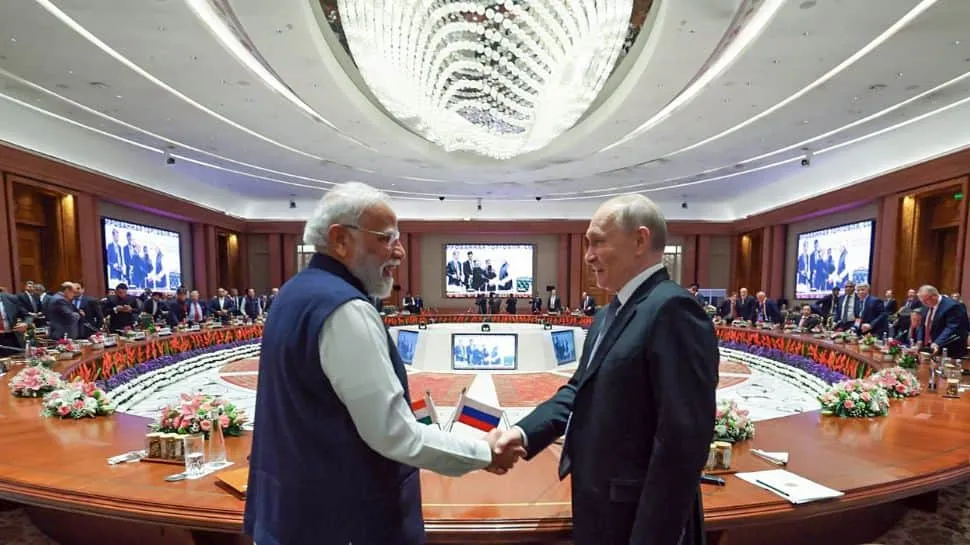
India has started buying oil, especially from Russia, using rupees instead of US dollars, marking a significant shift in global energy trade. This approach establishes a “petro-rupee” system, where payments cycle back into India’s economy through special mechanisms.
How the Petro-Rupee System Works
Oil transactions settle in rupees via agreements approved by the Reserve Bank of India (RBI), completely sidestepping the dollar and US financial networks. Exporters like Russia receive funds in dedicated Vostro accounts. These rupees can then purchase Indian government bonds or buy Indian goods, keeping the money circulating within India’s financial ecosystem.
Economic Advantages
This model cuts India’s dependence on dollars for energy imports, bolstering rupee stability and shielding against currency fluctuations. Funds flow into bonds, infrastructure, and trade, fueling domestic growth without piling on foreign debt. It also ties energy suppliers tighter to Indian markets.
Geopolitical Impact
By proving oil trades can thrive outside the dollar-dominated system, India boosts its strategic position. This template weakens the dollar’s monopoly in energy markets and offers a blueprint for other emerging economies to follow.
