

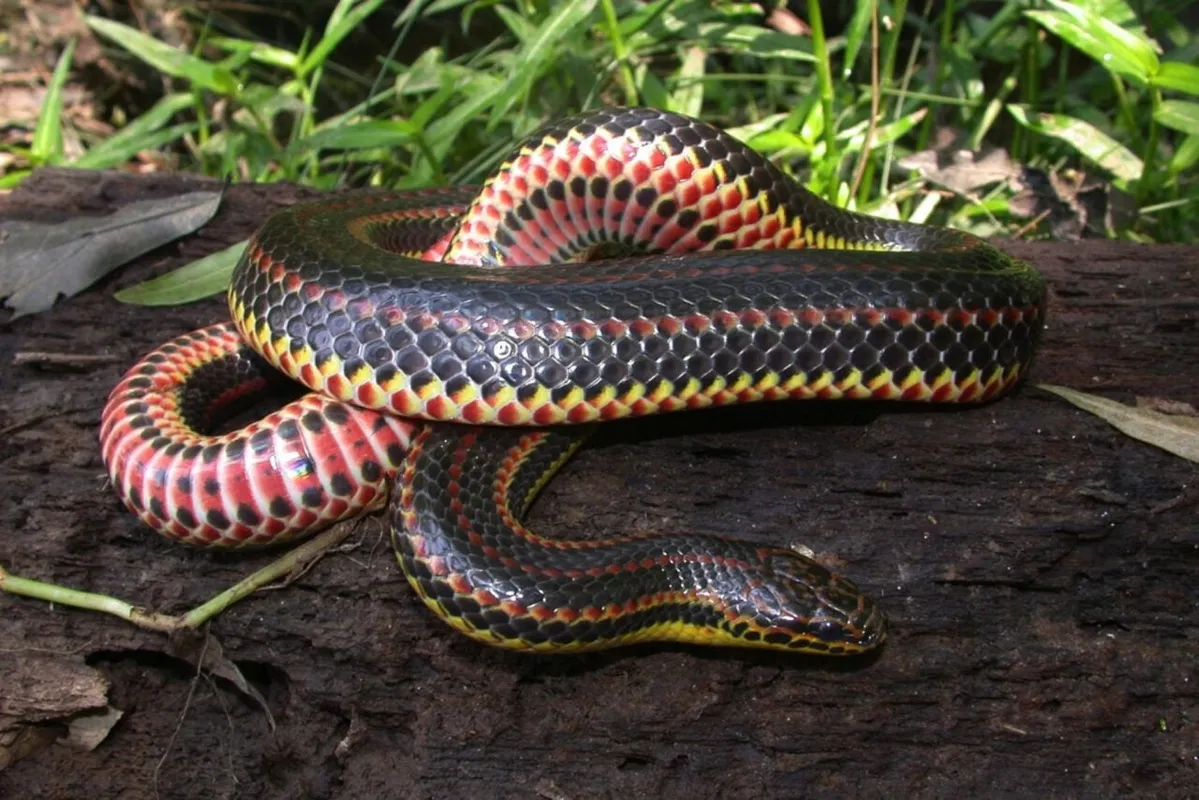
Researchers document over 500 cases of snakes consuming their own kind across more than 200 species, highlighting how common this behavior truly is. Snakes turn to cannibalism opportunistically, often triggered by food shortages or environmental challenges.
Comprehensive Analysis of Snake Cannibalism
A team of Brazilian scientists spent two years reviewing peer-reviewed papers, books, and magazines to compile reports and observations of snakes eating each other. Their findings, detailed in Biological Reviews, mark the first in-depth survey of this trait in carnivorous reptiles.
The review categorizes incidents by context, including events between mating pairs, rivals, or relatives. Cannibalism appears to have evolved independently at least 11 times throughout snake history.
Factors Driving the Behavior
Many cases stem from food scarcity, positioning cannibalism as a survival strategy. Captive snakes also exhibit this under confinement and limited rations. The behavior spans diverse species, with elapids—such as cobras—accounting for about 19% of documented events.
Blind snakes stand out as the sole major group without records, likely due to their fused lower jaws that prevent swallowing larger prey, including kin.
Uncharted Territory
While this study offers a broad perspective, numerous unreported incidents likely exist. These insights deepen understanding of snake survival tactics in harsh conditions.
