

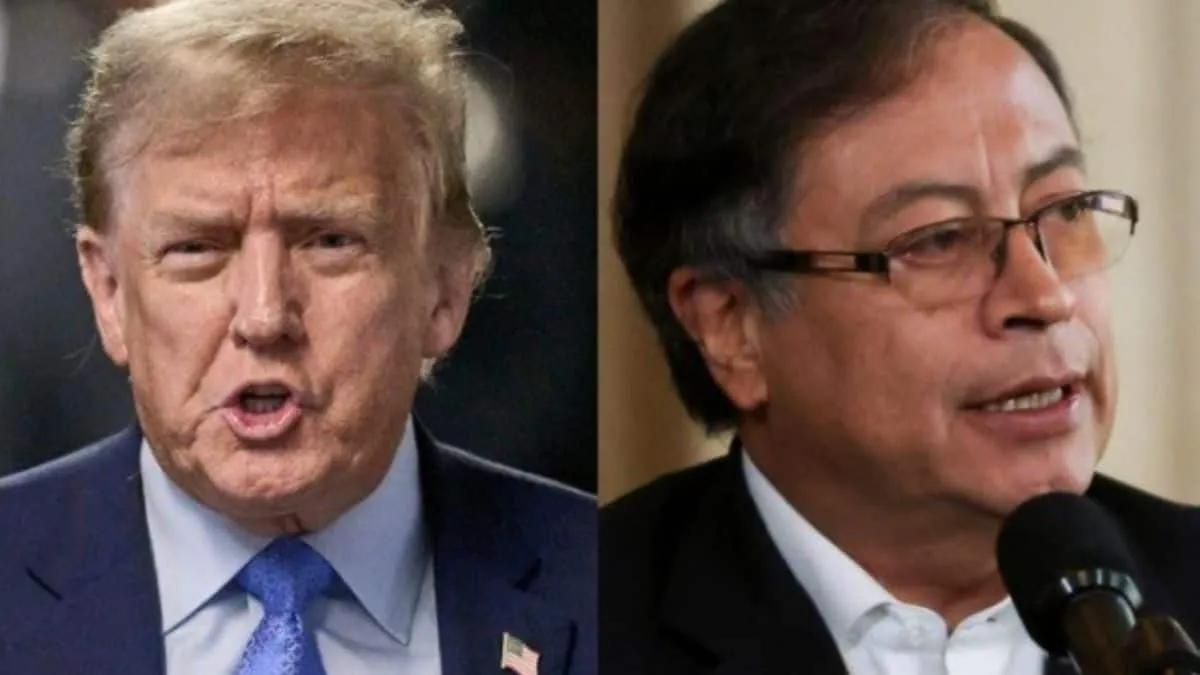
White House Meeting Aims to Mend Strained Ties
Colombian President Gustavo Petro arrived in Washington this week for a pivotal meeting with US leadership scheduled at the White House. The diplomatic engagement follows months of heightened tensions between the two nations regarding counternarcotics strategies and regional security policies.
From Rhetorical Clashes to Diplomatic Dialogue
The relationship between both leaders reached a low point last year when the US President publicly criticized Colombia’s drug enforcement efforts, suggesting military intervention might be necessary. These remarks drew international condemnation while Colombian officials vehemently defended their counternarcotics record.
Regional tensions further escalated following US military operations in Venezuela, which Colombian leadership denounced as violations of sovereignty. Despite these conflicts, a January phone conversation between both presidents established the foundation for this week’s face-to-face discussions.
Agenda Focuses on Strategic Cooperation
Officials confirm the meeting will address three primary concerns: enhanced collaboration against drug trafficking, strengthened economic partnerships, and improved regional stability. This comes as data shows Colombian coca cultivation has increased significantly in recent years, presenting challenges for bilateral anti-drug initiatives.
Policy analysts suggest the summit could redefine US-Colombia relations, which have historically been close but recently diverged on fundamental approaches to narcotics interdiction and hemispheric diplomacy. The Colombian delegation aims to present alternative strategies focusing on social programs rather than solely militarized solutions.
Broader Regional Implications
Security experts anticipate discussions may extend to Venezuela’s political situation and broader coordination among American hemisphere nations. Both administrations face domestic pressure to demonstrate progress against transnational drug networks while balancing sovereignty concerns.
The outcome of these talks could significantly influence cross-border security operations and economic partnerships throughout Latin America in coming years, according to diplomatic sources familiar with the negotiations.
