

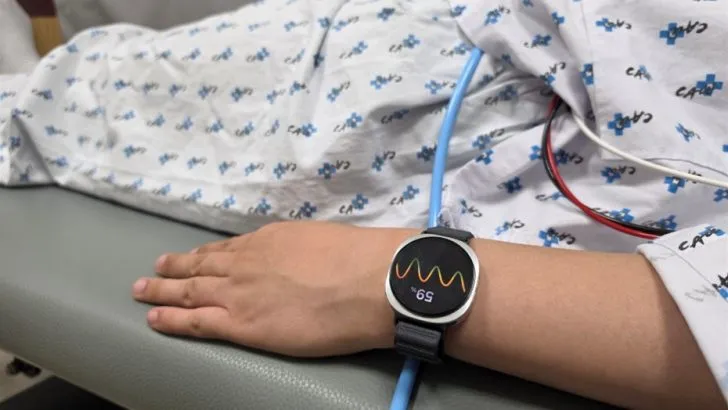
A groundbreaking clinical study with Chung-Ang University Gwangmyeong Hospital in Korea validates the Galaxy Watch6’s ability to forecast vasovagal syncope (VVS) accurately through wrist-based biosignals. VVS strikes when heart rate and blood pressure plummet suddenly from triggers like intense stress, resulting in brief unconsciousness. Though the episode itself poses little danger, resulting falls often lead to fractures, concussions, or other serious injuries, underscoring the value of early alerts.
High Lifetime Prevalence Drives Need for Prediction
Professor Junhwan Cho, from the Department of Cardiology at Chung-Ang University Gwangmyeong Hospital, notes, “Up to 40% of people experience vasovagal syncope over their lifetime, with one-third facing recurrent episodes.” He adds, “An early warning allows patients time to assume a safe position or seek assistance, slashing secondary injury risks dramatically.”
Robust Testing Yields Impressive Accuracy
Led by Professor Cho, researchers tested 132 patients showing VVS symptoms via induced fainting simulations. The Galaxy Watch’s photoplethysmography (PPG) sensor captured heart rate variability (HRV) data, processed by an AI model. This approach predicts episodes up to five minutes early at 84.6% accuracy, with 90% sensitivity and 64% specificity—metrics that meet clinical standards.
Advancing Preventive Healthcare
Jongmin Choi, Head of Health R&D Group in Samsung Electronics’ Mobile eXperience (MX) Business, states, “This study shows wearable tech transforming healthcare from reactive post-care to proactive prevention.” He emphasizes, “We drive innovations empowering users toward healthier daily lives.”
Published in Volume 7, Issue 4 of the European Heart Journal – Digital Health, the results mark the first validation of syncope prediction on a commercial smartwatch. Samsung advances wearable health features and deepens ties with top medical centers to spearhead personalized preventive solutions.
