

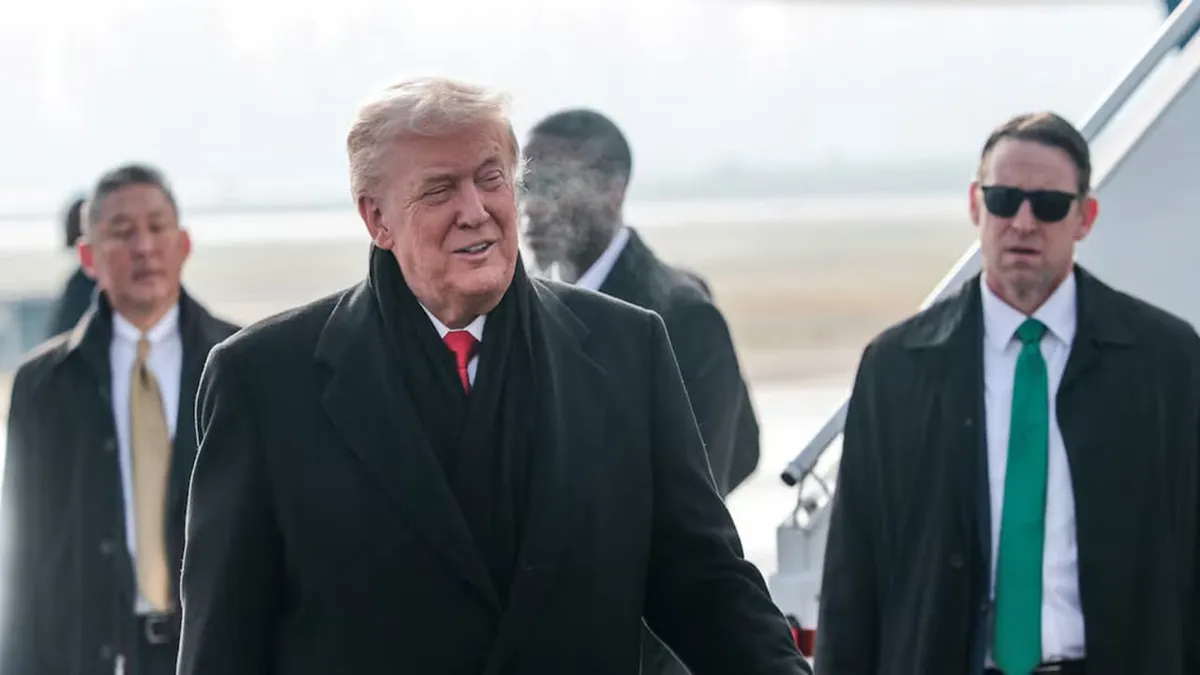
The United States evaluates a potential military strike on Iran after challenging nuclear negotiations in Geneva, Switzerland. President Donald Trump has not yet approved any action, with a decision possibly coming as early as this weekend.
Progress in Geneva Talks Remains Limited
Delegations from the US and Iran met recently in Geneva to negotiate a key nuclear agreement. White House Press Secretary Karoline Leavitt stated that some advancement occurred, but significant gaps persist.
“There was a little bit of progress made, but we are still far apart on some issues. We expect the Iranians to come back with the details in the next couple of weeks. The president will continue to watch how this plays out,” Leavitt said.
Leavitt emphasized that President Trump prioritizes diplomacy over military measures and urged Iran to secure a deal swiftly.
Iran Grapples with Widespread Unrest
Major protests erupted across Iran on December 28, 2025, triggered by a dire economic crisis, including a plummeting Rial and rampant inflation. Demonstrations started with merchants shutting down shops in Tehran and spread nationwide, posing the biggest threat to the regime since 1979.
Initially focused on economic woes, the protests quickly gained political momentum, with crowds chanting against the leadership and calling for systemic reforms.
Government Crackdown Intensifies
As unrest grew through December and into January 2026, authorities deployed security forces and imposed a nationwide internet and phone blackout on January 8. World leaders view this as an attempt to suppress documentation of violence by journalists, activists, and victims’ families.
International Response
The US backs the Iranian people’s right to peaceful assembly and denounces the violent suppression. Washington has imposed additional visa restrictions on Iranian officials linked to human rights abuses during the crackdown.
Iranian leaders reject foreign critiques as meddling, accusing the US, Israel, and European nations of stirring internal chaos.
