

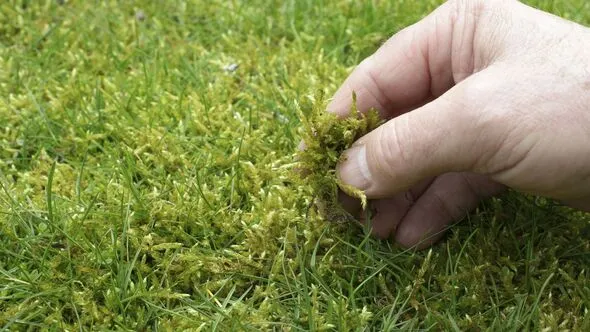
Short days, persistent rain, and cool weather create perfect conditions for moss to overtake lawns. Grass struggles to grow quickly during winter, allowing moss to thrive. Factors like shade from low sunlight, waterlogged soil, compacted paths, and nutrient-deficient turf exacerbate the problem.
Light Moss Control Options
For minor moss infestations, natural remedies such as baking soda or dish soap mixtures work effectively on lawns.
The Top Solution for Severe Moss Problems
Gardening specialist Josh recommends ferrous sulphate-based chemical moss killers for heavy moss coverage. Apply the product directly to affected areas and wait about two weeks for the moss to turn black or brown. This color shift helps identify any missed spots.
Follow up by raking out the dead moss with a spring-tine rake or lawn scarifier.
How Ferrous Sulphate Works
The iron in ferrous sulphate extracts moisture from the moss cells, even in wet soil, leading to its death. Josh notes, “This kills the moss, but it can also harm grass if not applied carefully. Target moss-heavy areas precisely and use with caution.”
Additional Moss Control Products
Lawn sand, rich in iron, provides targeted moss suppression. All-in-one blends combine moss killer, weed control, and fertilizer to remove moss, eliminate weeds, and boost lawn health. Spread these using a spring-tine rake, then wait two weeks before clearing dead moss.
