

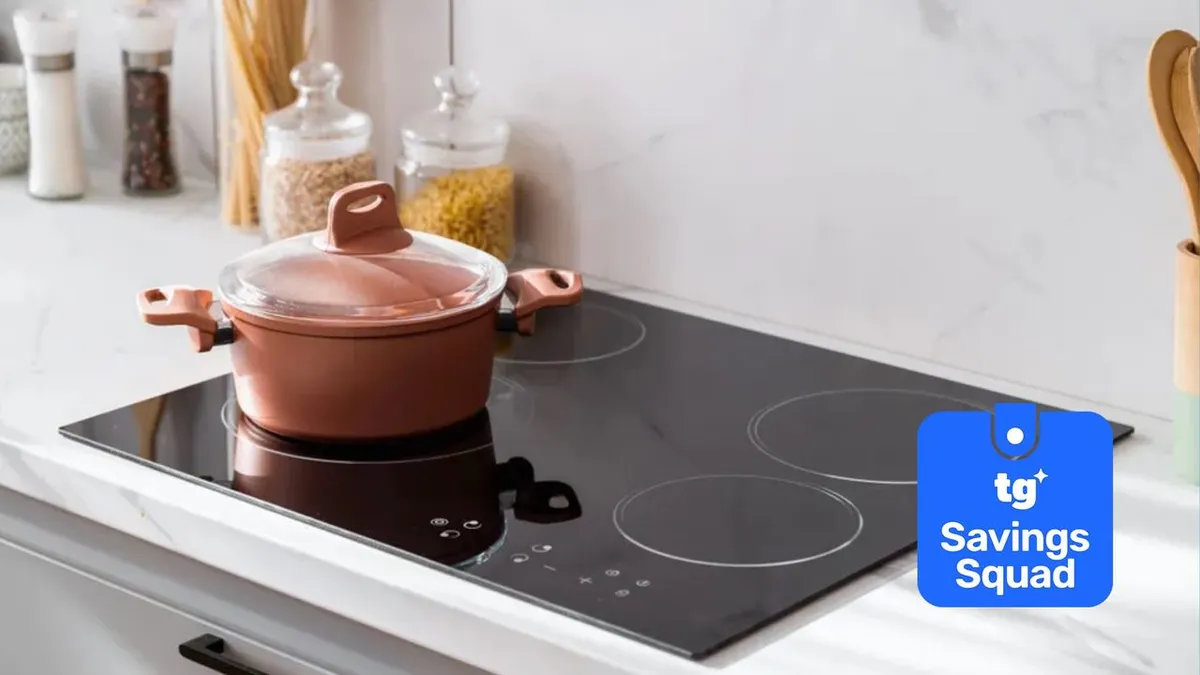
With rising living costs, households search for effective ways to lower energy use and trim bills. Simple adjustments in daily cooking routines can yield big savings beyond basic steps like turning off lights or unplugging devices. These five practical kitchen tips help reduce energy consumption while speeding up meal prep.
1. Always Use a Lid on Pots and Pans
When boiling water for pasta or steaming vegetables, keep the lid on. This traps heat, bringing contents to a boil quicker and consuming less energy. It also limits steam release, reducing kitchen condensation and mold risks. Food cooks faster, offering efficiency gains.
2. Avoid Opening the Oven Door Repeatedly
Resist the urge to check food by opening the oven door often. Each peek causes a temperature drop of up to 77°F, forcing the oven to use extra energy to recover. Rely on the glass door for views, saving checks for the final stages. Smart meat thermometers provide precise monitoring via phone for better accuracy.
Turn off the oven 10 minutes before cooking ends. Residual heat finishes the job without additional power.
3. Match Pan Size to Food and Hob
Select the smallest pan that fits the food portion. Larger pans heat unused space, wasting energy. Ensure the pan base aligns perfectly with the hob burner to avoid heating excess areas. This adjustment cuts costs effectively.
4. Choose Energy-Efficient Cookware
Opt for pots and pans with thick bases, like ceramic, cast iron, or glass. These retain heat well, requiring less energy than thin metal options. Slow cookers stand out as top energy savers, using 75 to 250 watts compared to an oven’s up to 5,000 watts. They excel for batch meals, minimizing daily cooking.
5. Embrace Batch Cooking
Prepare large quantities ahead for the week or freeze leftovers. This method, ideal for casseroles, saves time and energy by firing up appliances less often. It streamlines routines while lowering overall power use.
